
Prime Rate Falls to 6.75%: Why Small Businesses Aren't Celebrating
- The Fed lowered interest rates to bring the Prime Rate under 7% for the first time since 2022, but signals further cuts will be limited.
- Small business owners face continued financing challenges as rates will likely remain between 6.5-6.75% through most of 2026.
- Trump's upcoming Fed chair appointment could accelerate rate cuts, but businesses should prepare for another year of expensive capital.
Fed Finally Cuts Prime Rate Below 7% - But Is Anyone Celebrating?
The Federal Reserve lowered interest rates on Wednesday, December 10th in a closely split decision, but indicated it will likely hold off on additional cuts for now. Policymakers signaled they need clearer evidence on where the job market is heading and whether inflation (which remains “somewhat elevated”) is continuing to cool before making further moves.
As businesses continue to shoulder inflation and historically low consumer sentiment, the Prime Rate has only dropped 3/4% in 2025. Prime Rate is important to Small Business Owners, since this dictates the cost of Small Business Loans, such as SBA and Conventional Bank Loans.
Prime Rates for SBA Loans will drop to 6.75%. The last time Prime Rate was under 7% was September 2022.
The Numbers That Matter
As businesses continue to shoulder inflation and historically low consumer sentiment, the Prime Rate has only dropped 3/4% in 2025. Prime Rate is important to Small Business Owners, since this dictates the cost of Small Business Loans, such as SBA and Conventional Bank Loans.
Prime Rates for SBA Loans will drop to 6.75%. The last time Prime Rate was under 7% was September 2022.
Fed Pumps the Brakes: Why Significant Rate Cuts Aren't Coming Soon
This year’s rate cuts come as the Fed responds to clear signs of a cooling labor market - from unusually sluggish job growth to rising unemployment among younger workers and minority groups.
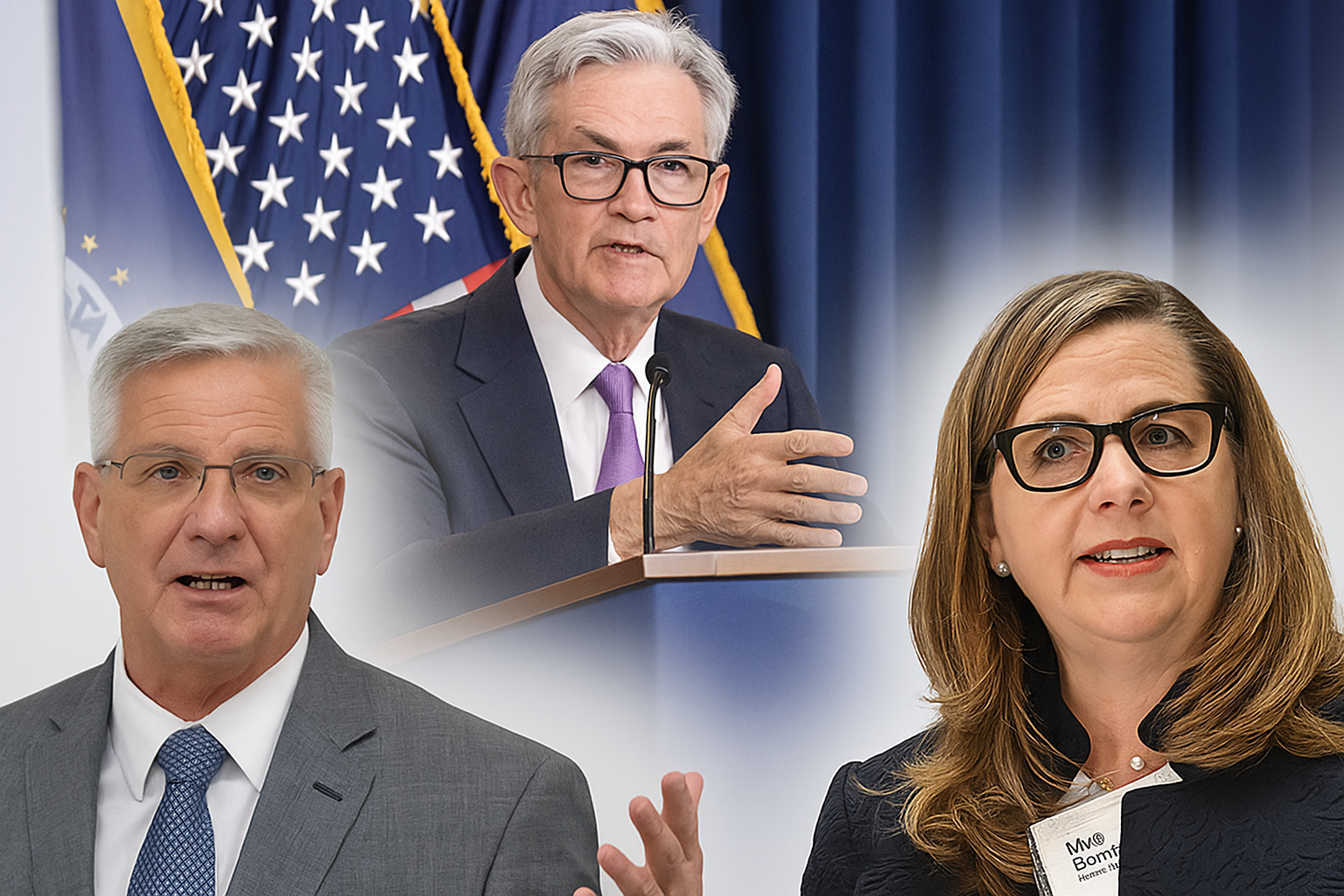
President Trump has also indicated he is close to selecting the next Federal Reserve chair to succeed Jerome Powell when his term ends in May 2026. In an interview with Politico on Tuesday, Trump said Powell’s replacement will be expected to continue lowering interest rates.
This year’s rate cuts come as the Fed responds to clear signs of a cooling labor market - from unusually sluggish job growth to rising unemployment among younger workers and minority groups.
The Harsh Reality: Preparing for Another Year of Expensive Money
President Trump has also indicated he is close to selecting the next Federal Reserve chair to succeed Jerome Powell when his term ends in May 2026. In an interview with Politico on Tuesday, Trump said Powell’s replacement will be expected to continue lowering interest rates.
On Dec 12th the FED will be re-starting quantitative easing which means more money will be issued ($40 billion in December). This act will increase inflation as there is more money supplies being created.
The FED indicated that they expect to cut interest rates only 1/4% in 2026, which means that Prime Rate will be 6.75% to a minimum of 6.5% sometime in 2026. These expected cuts will assumably be higher when Trump appoints the new FED chair to replace Powell.
Survival Guide: How to Navigate High-Rate Environment Through 2026
With minimal reductions in Prime Rate (interest rates), the FED has offered only limited relief to Small Businesses. Meanwhile, operating costs continue rising faster than revenues for Main Street businesses. For business owners, this means one thing: accessing affordable capital will remain challenging well into 2026. Small businesses will need to plan proactively - strengthening financials, keeping tax filings current, and securing credit before conditions tighten again. While lower rates may eventually ease the pressure, today’s environment still demands discipline, preparation, and smart funding strategies to stay competitive and protect future growth.

.svg)

.svg)

.png)




.png)